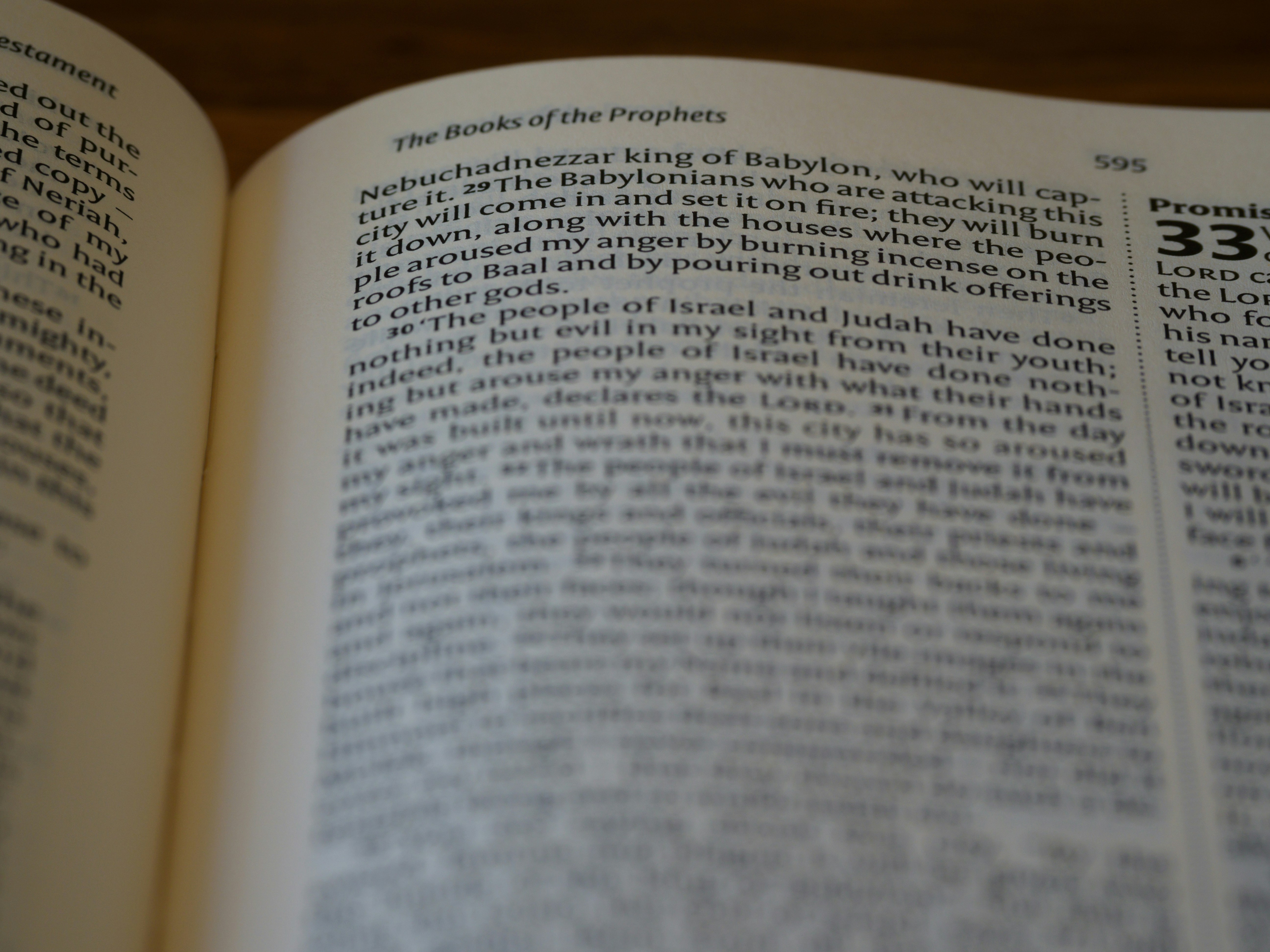
SPINE
"Every book deserves a reader who fights with it."
The case for a different
kind of literary channel
Literary criticism online has rotted into two modes: the five-star gush and the algorithm-safe summary. Someone tells you a book changed their life without explaining what it changed, or spends eight minutes recapping a plot you already read. The close reading — the actual work of sitting with a sentence until it breaks open — has almost entirely disappeared.
This channel exists because fiction deserves better than enthusiasm. It deserves argument. It deserves someone willing to say that a celebrated novel fails on its own terms, that a forgotten one solved problems the canon never noticed, that the sentences your professor called beautiful are actually doing something structurally broken. Literature is a conversation across centuries, and most people online are only pretending to listen.
Spine is for readers who annotate margins. Who go back. Who want to understand why a scene lands or doesn't — not just whether it did. If you have ever finished a book and immediately needed to argue with someone about it, you are exactly who this is for.
"The best criticism doesn't explain what a book means. It shows you what you missed the first time."
Four formats.
No filler.
Long Read
One book. One hour. No summary — only the argument the author was trying to have and whether they won it.
Middlemarch — George Eliot

Grudge Match
Two books. One question. Which one actually solved the problem it set out to solve?
Woolf vs. Richardson

Canon Court
A canonical novel put on trial. The charge: overrated. The defence: structurally necessary.
The Great Gatsby — F. Scott Fitzgerald

First Lines
A single opening sentence. Twenty minutes. Everything it tells you about the 300 pages that follow.
"Call me Ishmael." — Melville

M. Calloway
Host & Critic
I am not a fan.
I am a reader.
I spent seven years studying literature and another four teaching it, and the one thing I learned is that the most interesting conversations about books never happen in the places built for them. Not in seminar rooms where everyone is performing certainty. Not in review sections where the word count is 800 and the argument has to be finished. Not in comment sections where the only permitted emotion is love.
I make long videos. I disagree with people I admire. I change my mind on camera and say so. I think the best thing criticism can do is make you angry enough to go back to the text — not to prove the critic wrong, but because you suddenly need to find out what actually happened in that chapter you thought you understood.
Spine is not a book club. It is not a recommendation service. It is not a safe space for novels. It is a place where fiction is taken seriously enough to be argued with.
Current reading list — updated weekly
Launch date
Autumn
2026
The first episode goes to the list before it goes anywhere else. Leave your email and you'll hear about it the morning it drops — no newsletter, no content calendar, just a single message when the work is ready.
If you want, tell me the last book that changed how you think. I read every answer. The best ones might end up in the first episode.